
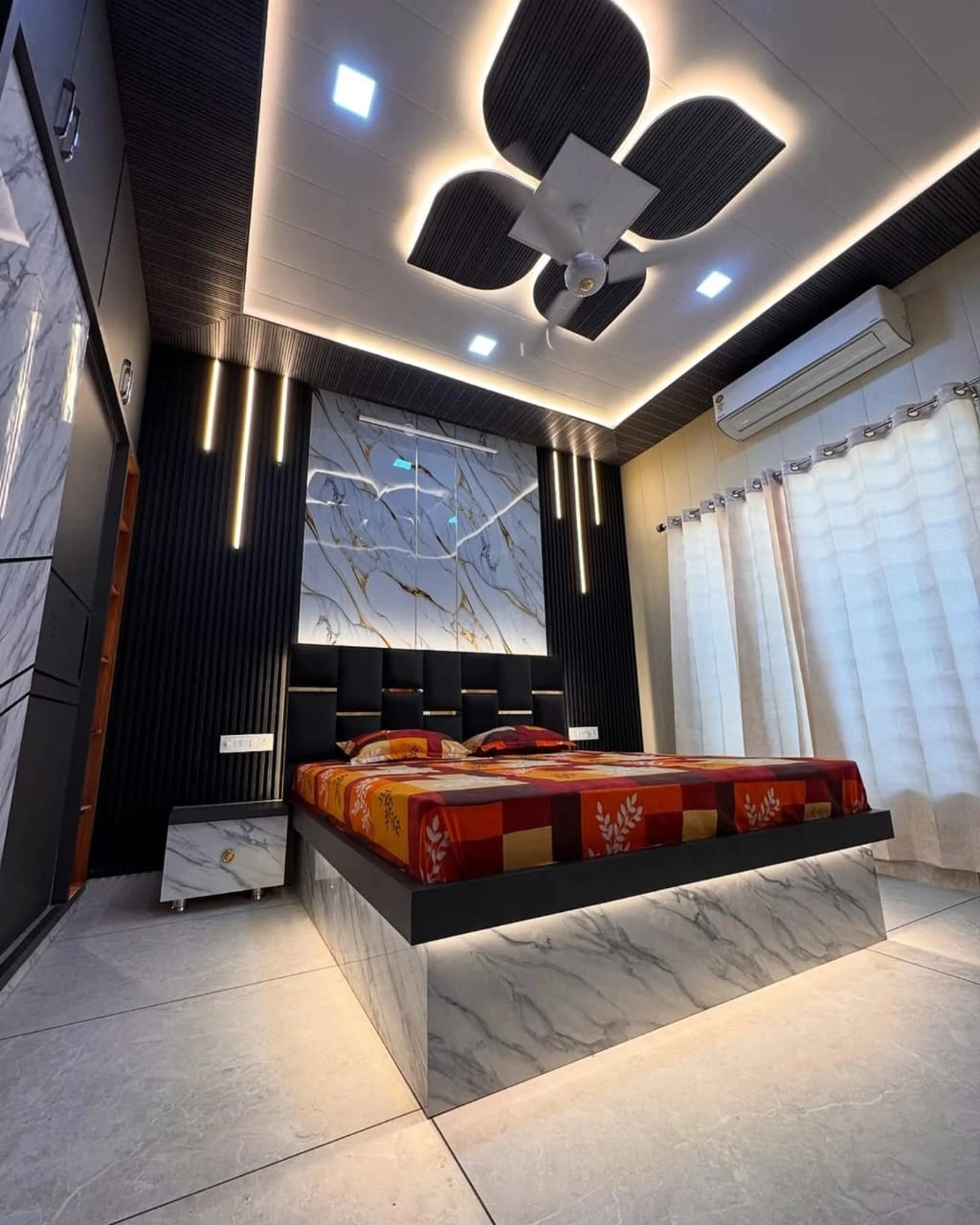
People usually think choosing a bedroom interior means picking a bed, wardrobe color, maybe some curtains, and done.
But that’s honestly where many rooms start looking decent in photos and uncomfortable in real life.
Because a bedroom is not just another room to decorate.
You wake up there. You shut your day off there. Sometimes you work there, scroll there, sit quietly there. So if the design only looks nice but doesn’t feel restful, it starts irritating you slowly.
Not on day one. But after a few weeks, you notice things.
Too much furniture. Wrong lighting. No storage where you need it. Walls feeling crowded. Ceiling making the room look lower.
That’s why choosing the right bedroom interior takes a little more thought than people expect.
First decide how you actually use your bedroom
This sounds basic, but most people skip it.
They start from Pinterest images.
That’s the wrong starting point.
Ask yourself:
Is this room only for sleeping?
Do you need wardrobe-heavy storage?
Do you work from bed sometimes?
Do kids come into this room often?
Do you prefer bright rooms or softer closed spaces?
Because bedroom interior should respond to your routine, not to a trending image.
A newly married couple, elderly parents, a student, and a working professional — all need very different bedroom setups.
Yet many homes use the same copied design formula.
That’s why the room looks “done” but not personal.
At BS Interior and Exterior, this is usually the first thing we ask clients around Mathura before discussing materials or colors. Lifestyle tells you more than catalog pictures.
Don’t fill the room just because space is available
Indian homes have this habit.
If there is wall space, put wardrobe.
If there is a corner, add dresser.
If there is ceiling, make design.
And slowly the room becomes heavy.
A smart bedroom interior on a budget is not about adding less because of money. It’s about adding only what earns its place.
This matters even more in middle class homes where bedroom sizes are not huge.
Sometimes one sleek wardrobe and floating side shelves work better than three bulky furniture pieces.
Breathing space matters.
A bedroom should not feel like a storage room with a bed in the center.
Lighting changes the mood more than furniture does
People spend lakhs on furniture and then put one white tube light.
Room dead.
Bedroom lighting should have layers, even if simple.
A soft main light.
Warm side lamps or wall lights.
Maybe hidden false ceiling design lighting if ceiling height allows.
Now I’m not saying every room needs fancy cove lights.
But ceiling planning matters.
A badly done false ceiling design can make a room feel shorter and boxed in. A clean simple one with indirect light can make the same room feel calm.
This is where people often overspend on design and underspend on actual comfort.
Wrong priority.
Wardrobe planning should happen before color selection
This is one practical mistake that keeps repeating.
People choose paint, wallpaper, bed panel… and then think where wardrobe will fit.
Wardrobe is usually the biggest visual block in a bedroom.
So its size, shutter style, finish, and placement affect the whole room balance.
Sliding wardrobe in tight spaces often works better.
Loft storage may help in compact homes.
Mirrored shutters can open up small rooms.
This is almost the same logic used in modular kitchen design — function first, finish after.
Storage has to feel integrated, not attached later like an afterthought.
Color should match room size, not social media trends
Dark grey is trending. Beige is trending. Olive green is trending.
Fine.
But trends don’t know your room dimensions.
Small Indian bedrooms with limited daylight usually need lighter reflective tones. Otherwise the room starts feeling compressed.
This doesn’t mean plain boring white only.
Muted cream, warm taupe, dusty pastel, soft wood textures — these work quietly and don’t get tiring.
The issue with many trendy bedrooms is they look dramatic online but mentally feel heavy every single day.
And a bedroom is one place where visual peace matters.
Don’t ignore ventilation and natural light
Honestly this gets less attention than it should.
People discuss laminates for hours and forget window treatment.
A beautiful bedroom with poor airflow becomes annoying fast.
You wake up feeling stuffy. Fabrics trap smell. Walls feel damp in monsoon.
Curtains, blinds, window openness, fan position, AC throw — these are not decorative decisions only. They affect daily comfort.
Good interior and exterior design thinking always respects natural conditions first.
Sunlight direction matters. Window size matters.
Design should work with the room, not fight it.
Keep one visual feature, not five
This is important if you want the room to look elegant without overspending.
Choose one standout element:
- upholstered bed back wall
- wooden panel
- soft ceiling treatment
- statement pendant
- textured wallpaper
Just one or maybe two coordinated details.
People often combine wallpaper + grooves + mirror + colored light + ceiling pattern + printed curtains.
Then the room starts shouting.
A bedroom should not shout.
Even in premium homes, restraint looks more expensive than overload.
Attached spaces should feel connected
If your bedroom connects to dressing area, attached washroom, or balcony, don’t design them like separate planets.
Flow matters.
Material tone should connect.
Lighting warmth should connect.
This same continuity is what makes office interior design or showroom interior design look professional too — spaces should speak to each other.
Bedrooms are no different.
Budget bedrooms can still look refined
This needs to be said clearly.
Good bedroom interior does not automatically mean expensive veneer, imported wallpaper, designer chandeliers.
Not really.
Some of the nicest bedrooms come from:
- clean carpentry
- balanced colors
- simple false ceiling
- smart wardrobe fit
- controlled furniture quantity
That’s it.
Execution matters more than luxury material.
A badly planned expensive room still feels awkward.
A well-proportioned modest room feels finished.
This is where experienced contractors help because they know where money should go and where it really shouldn’t.
BS Interior and Exterior handles a lot of these practical budget decisions for homeowners who want sensible design, not unnecessary showroom drama.
Think beyond the bedroom alone
One overlooked thing — your bedroom should not feel disconnected from the rest of the house.
If the whole home has warm simple finishes and suddenly bedroom becomes ultra glossy hotel style, it feels odd.
There should be some relationship with the larger house exterior design and inside spaces too.
Not identical, just connected.
That’s what makes a home feel designed rather than randomly furnished room by room.
FAQs
how much budget is usually enough for a decent bedroom interior
Depends on room size and storage needs more than anything. A simple clean setup can be done reasonably if you don’t start adding unnecessary decorative work everywhere.
is false ceiling necessary in every bedroom
No. If ceiling height is low, sometimes simple direct lighting works better. False ceiling should improve the room, not make it tighter.
my bedroom is small, should i still put full wardrobe
Only if planned carefully. Full wardrobe is fine, but bulky opening shutters and poor placement can eat visual space quickly.
can budget bedroom interiors still look premium
Yes, if proportions are right. Cheap-looking rooms usually happen because of too many mismatched elements, not because budget was low.
should bedroom design match kitchen and other rooms too
Not exactly match, but there should be some visual connection in materials or tones. Otherwise every room feels separately designed.